2-3 hours
$8,100 - $12,000
2-4 weeks Basic
4-6 weeks Full
Medically reviewed by Christopher J. Ewart, MD and Michael S. Tarakji, MD, Board-Certified Plastic Surgeons — Updated August 2026
Our goal is to provide superior results while not compromising on patient safety, comfort and experience. While we cannot guarantee that every patient will have the perfect experience, we strive to make that happen. Contouring the waist with liposuction and using injectable numbing agents to minimize pain, are just some of the ways we strive to improve your experience and results.
Every surgery carries risk, and honest surgeons talk about it. The most common tummy tuck risks are seroma (fluid collection), delayed wound healing, visible scarring, numbness, and — rarely — blood clots. Here is how we reduce each one: progressive tension sutures dramatically lower seroma risk (and enable Dr. Ewart’s drainless technique); because nicotine is the biggest controllable wound-healing risk factor, we recommend stopping smoking as early as possible — ideally 4-6 weeks before surgery — and require a minimum of 2 weeks nicotine-free; early walking protocols and compression reduce clot risk; and all procedures are performed in our QUAD A accredited surgical facility. At your consultation we will review your personal risk profile honestly — including whether we would recommend waiting.
Most tummy tucks in America still require surgical drains — plastic tubes that stay in for one to two weeks, need emptying several times a day, and are consistently rated by patients as the worst part of recovery.
Dr. Christopher Ewart performs the drainless tummy tuck — no drains at all. Using an advanced progressive tension suture technique, Dr. Ewart internally closes the space where fluid would normally collect, eliminating the need for drains entirely. The benefits are real: no drain care, less discomfort, easier showering and sleeping, and a smoother first two weeks of recovery.
Dr. Ewart is one of the few surgeons in the Southeast offering the drainless technique, and patients travel from across Georgia, South Carolina, and beyond to Augusta specifically for it. If a drain-free recovery matters to you, ask for Dr. Ewart by name when you schedule.
Drainless tummy tuck performed exclusively by Christopher J. Ewart, MD, Board-Certified Plastic Surgeon
Abdominoplasty removes excess skin and fat from the abdomen while tightening weakened or separated abdominal muscles.
Pregnancy after abdominoplasty will re-stretch repaired muscles and skin. If you plan future pregnancies, it’s best to wait.
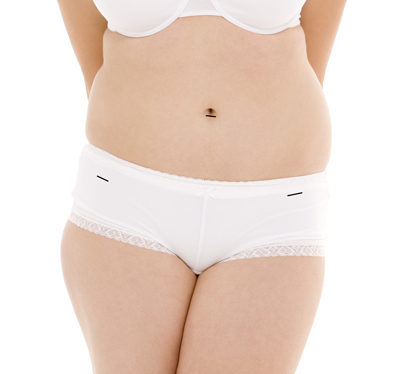
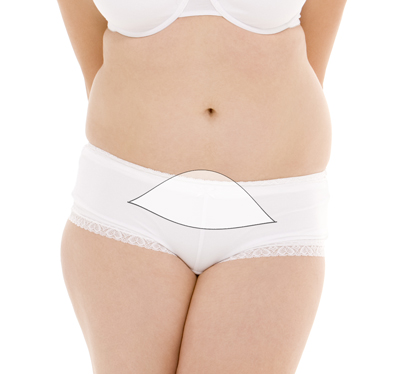
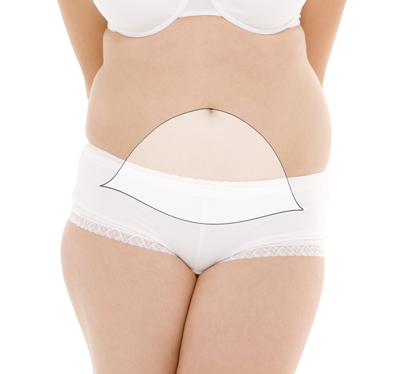
Mini abdominoplasty (below the navel, shorter scar), full abdominoplasty (with muscle repair), or extended (includes flanks, for massive weight loss patients). Your surgeon will recommend the right type for your anatomy — sometimes liposuction alone is enough.
Postpone if you’re planning pregnancy, actively losing weight, have BMI over 35, smoke, or can’t take adequate recovery time.
The best way to know is a personal consultation with Dr. Ewart or Dr. Tarakji. Schedule a consultation or call (706) 724-5611.
A drainless tummy tuck is an abdominoplasty performed without surgical drains. Instead of leaving tubes in place to remove fluid, the surgeon uses progressive tension sutures — internal stitches that close the space between the skin and the abdominal wall where fluid would otherwise collect. Benefits include no drain maintenance, less discomfort, easier movement and showering in the first weeks, and a lower risk of seroma when performed by an experienced surgeon.
At Augusta Plastic Surgery, the drainless tummy tuck is performed by Dr. Christopher Ewart — one of the few surgeons in the Southeast offering this technique. Patients travel from throughout the region for a drain-free recovery. Not every patient is a candidate; Dr. Ewart will assess whether the drainless approach is right for you at your consultation.
Interested in a drain-free recovery? Schedule a consultation with Dr. Ewart or call (706) 724-5611.
Tummy tuck recovery is longer and more involved than many cosmetic procedures. The muscle repair component makes it especially important to follow your surgeon’s restrictions carefully.
This is the most uncomfortable phase. You’ll be hunched over slightly to reduce tension on the abdominal closure. With the traditional technique, surgical drains collect fluid (typically 1-2 drains) — but Dr. Ewart’s drainless tummy tuck patients skip drain care entirely, one of the biggest quality-of-life differences in early recovery. Pain is moderate to severe and managed with prescribed medication.
Drains (traditional technique only) are typically removed at days 5-14; drainless patients have none to manage. First follow-up at day 5-7. You’ll gradually stand more upright. Compression garment worn 24/7.
Standing fully upright is typically comfortable by week 3. Light desk work can resume at week 2-3. Swelling fluctuates — worse at end of day, better in the morning.
Most daily activities resume. Light exercise around week 6 with surgeon approval. No abdominal exercises or heavy lifting yet.
Full exercise including core work typically allowed at 3 months. The muscle repair needs 3 months to fully strengthen.
Scar fades from red to pink to white/silver over 12-18 months. The low horizontal scar is designed to sit within underwear or bikini lines.
Every patient heals differently — your surgeon will give you personalized guidance at your consultation. Schedule a consultation or call (706) 724-5611.
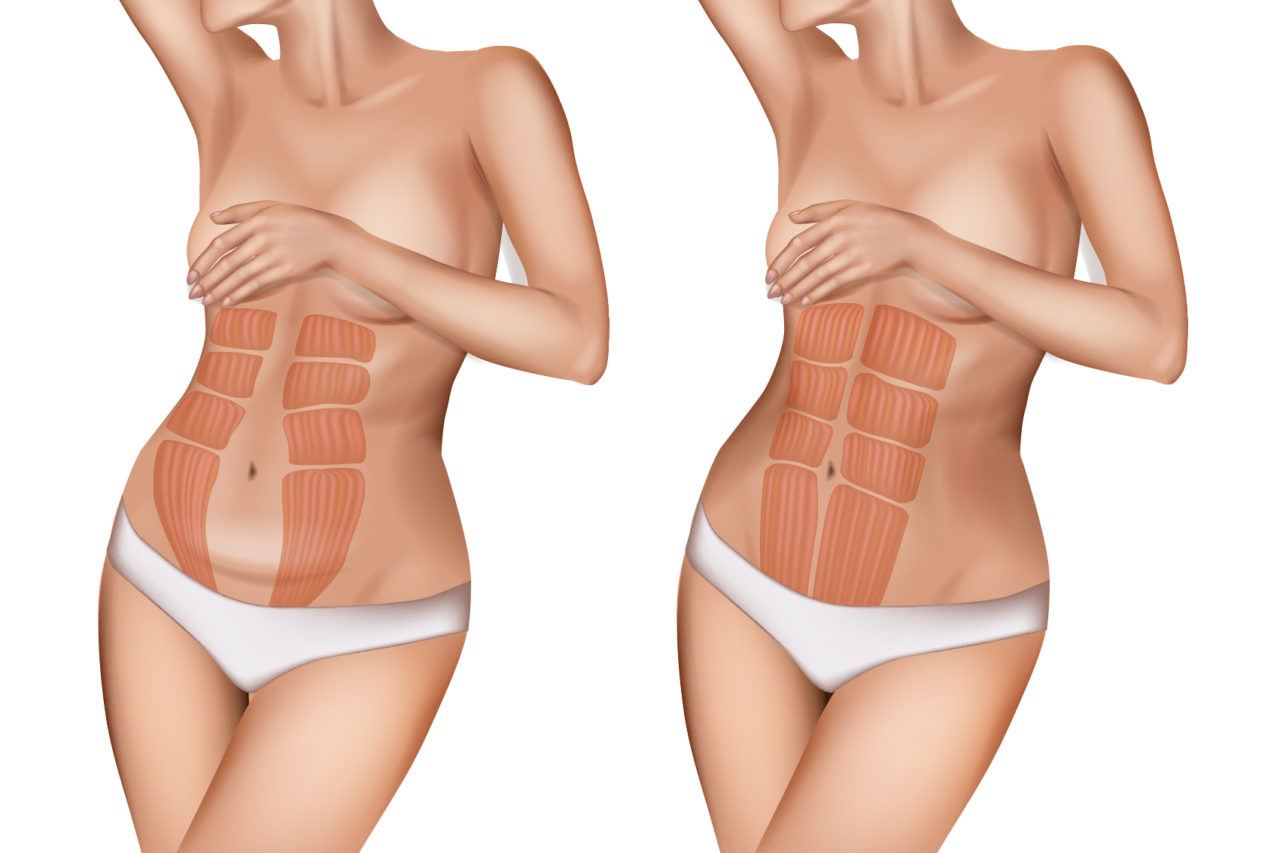
Rectus diastasis is a partial or complete separation of the midline fascia of the abdominal wall between the rectus muscles. This occurs as a result of abdominal expansion usually seen after pregnancy or with massive weight gain.
The symptoms are less core strength, an increased abdominal bulge or pooch, and separation in the midline of the abdomen.
Rectus diastasis can be corrected with plication (sewing) the abdominal wall back together which is usually performed during a tummy tuck.